
It is usually a gift that prompts the question. You have found the necklace, you have picked the photo, and then a thought lands: what if it goes dull in six months, or leaves a green mark on her neck? Nobody wants to hand over something that looks cheap by Easter.
So here is the honest answer, finish by finish, with what each material actually does over a few years of real wear.
The short answer
No. Every piece of photo projection jewellery we make is guaranteed against tarnishing, fading and turning green, whichever finish you choose. The metals we use are 316 stainless steel, 18k gold and 925 sterling silver, and none of them oxidise or rust.
The longer answer is more useful, because the three finishes behave slightly differently, and because the part most people are actually worried about, the photograph itself, is not metal at all.
What your piece is actually made of
Most of our pieces offer four finishes: Silver, Gold, Rose Gold and 925 Sterling Silver. A few offer fewer, so it is worth checking the dropdown on the product page rather than assuming.
Silver, Gold and Rose Gold are the plated finishes, built on 316 stainless steel. 925 Sterling Silver is solid sterling silver and sits around £10 above the plated version of the same piece. That £10 is the whole decision, and it is worth understanding before you make it.
The plated finishes: Silver, Gold and Rose Gold
This is where the word “plated” does our range a disservice, because people hear it and picture the market-stall ring that went green in a fortnight. That version is usually a thin wash of colour over brass or copper, and the base metal is what causes the problem: once the coating wears through, the copper underneath reacts with your skin.
316 stainless steel does not do that. It does not oxidise or rust, and it is hypoallergenic for most people. There is no reactive copper sitting under the finish waiting to be exposed, which is why we are willing to guarantee every piece against tarnishing, fading and turning green rather than just hoping for the best.

925 sterling silver: the one that wants wearing
Sterling silver is 92.5% pure silver and 7.5% other metals, usually copper, which is what the “925” stamp refers to. Our sterling silver pieces carry the same guarantee against tarnishing, fading and turning green as everything else in the range.
What silver does ask of you, more than stainless steel does, is that you wear it. Silver that lives in a drawer for months, or spends its life on a damp bathroom shelf next to the hairspray, is the silver that goes cloudy. Regular wear genuinely helps. If it does lose its brightness, that is a surface film rather than damage, and a polishing cloth takes it off in under a minute. Our post on silver plated vs 925 sterling silver goes through the chemistry properly, along with what accelerates it.
So the trade is not “one tarnishes and one does not”. It is that stainless steel asks nothing of you, and sterling silver asks for the occasional wipe in exchange for being solid silver all the way through.
The photo cannot tarnish, but it can look like it has
This is the part worth knowing, because it is often behind a pendant that looks like it has gone cloudy.
The back of a photo projection necklace is a square of glass with your photograph printed onto it. It is glass and ink, not metal, so there is nothing there to oxidise, and the printed image is covered by the same fade guarantee as the metal. The same is true of every piece in the range: the printed element is identical in a small circle charm and a larger heart pendant, and identical again in a photo projection bracelet.
What does happen is dust and skin oil settling on that flat glass back. The image looks hazy when you hold it to the light, and it reads as a fault. Usually it comes off with a gentle wipe. If you want the mechanics in full, our step-by-step guide to using a photo projection piece covers how to view and project the image properly, which also rules out “it has gone blurry” when the real issue is how it is being held.
What actually marks jewellery, in order
- Perfume, hairspray and hand cream. Put them on first, let them dry, then put the jewellery on. This is the single biggest one, and it applies to every finish.
- Chlorine and hot tubs. Harsher than seawater and worth taking a piece off for.
- Bleach and household cleaners. Take it off before you start on the bathroom.
- Silver dip. Fine for a plain chain, not for a photo piece. Chemical dips can get behind the glass, and that is the one kind of damage a polish will not undo.
- Storing it damp. Dry it before it goes away, and keep it somewhere other than the bathroom.
Everyday water is less of a worry than most people expect. Washing your hands or getting caught in the rain is unlikely to cause any issues, though we do recommend avoiding water where you can to keep the finish at its best. Our full answer on whether photo projection bracelets are waterproof sets out what is safe and what is not.
Keeping it looking new
None of this needs a routine. A wipe with a soft cloth when you take it off, and somewhere dry to keep it, covers almost everything. For a deeper clean, warm water with a little mild soap and a soft brush is enough, dried properly afterwards.

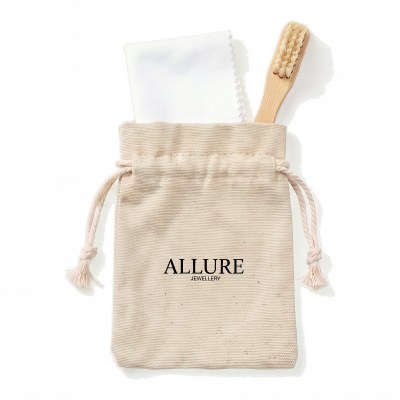
If you would rather have the right cloth to hand than improvise with a tea towel, our jewellery care kit has a polishing cloth, a soft brush and a pouch to store a piece in. Our care guide has the longer version, including what to do with engraved and gemstone pieces.
So which finish should you choose?
If the piece is going to be worn every day for years, and particularly if it is a memorial piece or something marking a date that matters, the £10 for 925 sterling silver is worth it. It is solid silver rather than a finish, and it is the thing our reviewers mention most often when they talk about quality.
If you are buying a first gift and you are not certain of their taste, or you want gold or rose gold rather than silver, the plated finish on 316 stainless steel is genuinely durable and will not let you down. There is no version of this decision where you end up with something that goes green.
Either way, every order is covered by our 100-day satisfaction guarantee: if you are not happy with it, we will replace it or refund it. If you are still weighing up which piece to go for rather than which finish, our personalised necklace buying guide runs through the whole range, and the photo pendant buying guide narrows it to the projection pieces.
FAQ
Does photo projection jewellery tarnish?
No. Every Allure piece is guaranteed against tarnishing, fading and turning green. The metals used are 316 stainless steel, 18k gold and 925 sterling silver, none of which oxidise or rust. Sterling silver can pick up a surface film if it is left unworn for long periods, but that is cosmetic and comes off with a polishing cloth.
Will a silver plated photo necklace turn my skin green?
No. Green marks come from copper or brass base metals reacting with skin once a thin coating wears through. Our plated finishes sit on 316 stainless steel, which does not oxidise or rust and is hypoallergenic for most people, so there is no reactive base metal underneath. Every piece is guaranteed against turning green.
Does 925 sterling silver tarnish more than a plated finish?
Sterling silver is the finish that benefits most from being worn and wiped. Stainless steel asks nothing of you at all. Silver left in a drawer for months, or stored somewhere damp, can dull at the surface, which a polishing cloth reverses. Neither finish corrodes, and both are covered by the same guarantee.
Is 925 sterling silver worth the extra £10?
For a piece that will be worn every day for years, or a memorial piece, yes. It is solid silver rather than a finish, and it is what our reviewers single out most often when they praise quality. For an occasional piece or a first gift where you are unsure of their taste, the plated finish on stainless steel is a sensible choice and holds up well.
Can the photo inside fade or tarnish?
No. The back of the pendant is a square of glass with the photograph printed onto it, so there is no metal to oxidise and nothing to fade. If the image looks hazy, it is almost always dust or skin oil on the flat glass back, and a gentle wipe clears it.
Can I use silver dip or polish on a photo projection piece?
Use a dry polishing cloth on the metal, but avoid chemical silver dips. A dip can work its way behind the glass that carries your photograph, and that is the one kind of damage a polish will not undo. Warm water with a little mild soap and a soft brush, dried properly, is the safe deeper clean.
Is photo projection jewellery hypoallergenic?
Our jewellery is hypoallergenic for most people. It is made from 316 stainless steel, 18k gold and 925 sterling silver rather than the cheap base metals that cause most reactions. If you know you react badly to a particular metal, it is worth checking which finish suits you before ordering, and every order is covered by our 100-day satisfaction guarantee either way.




Leave a Reply